Residency story
Silvia Gaillard
With Silvia Gaillard, the residency becomes a rare kind of space: one where you finally take the time to write for yourself. Between motion capture, passing on knowledge and encounters, this stay brings one thing to light — sometimes, creating simply begins with giving yourself the right to try.
Silvia’s residency starts out as something almost obvious… but the kind of obvious that takes a while to reveal itself.
At first, our conversations are fairly straightforward.
We talk about motion capture, passing on knowledge, training. About what we can share, what we can build. Something structured, almost expected.
And then, conversation after conversation, something shifts.
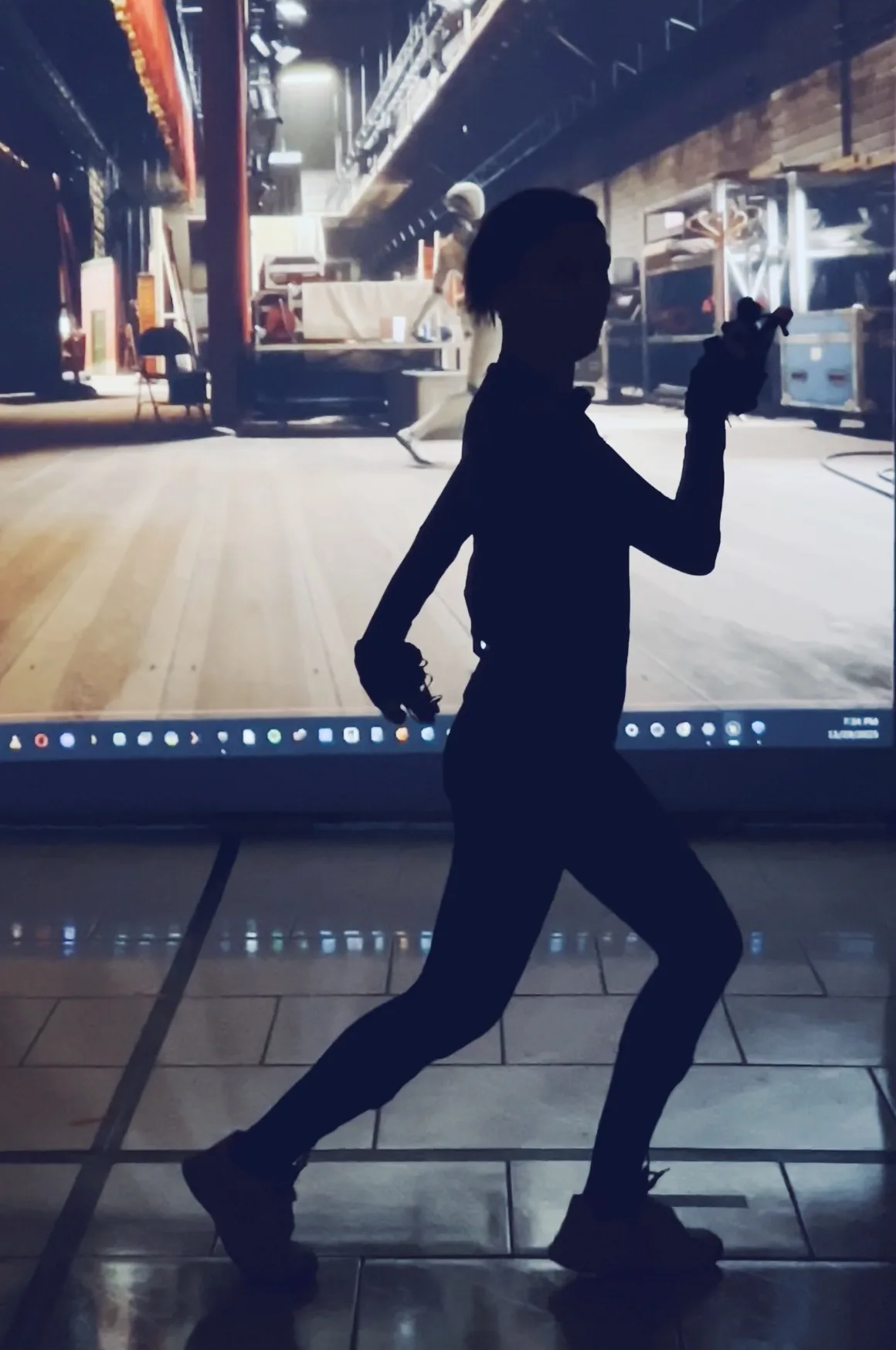
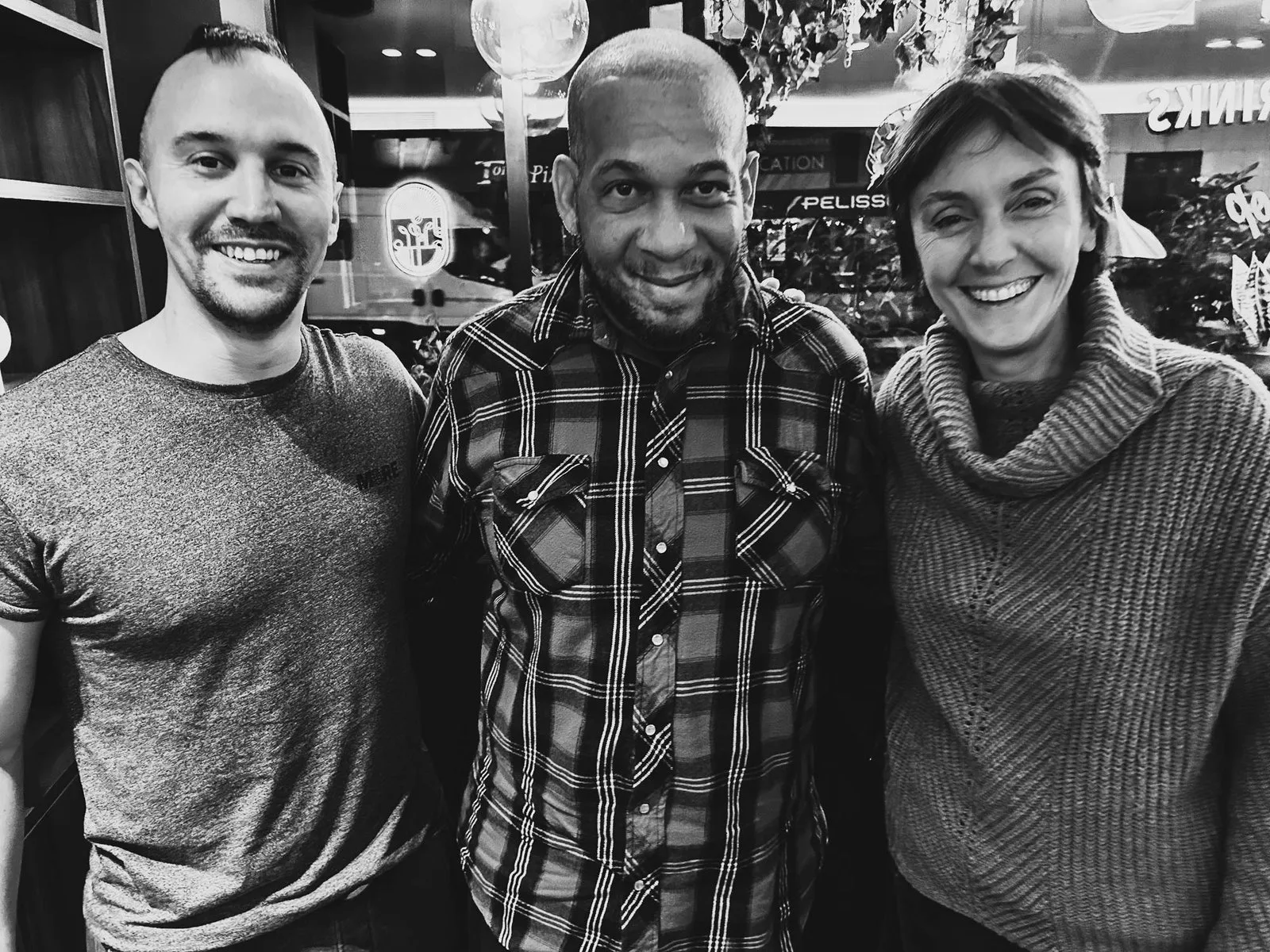
We meet in Paris, between two journeys, with Jérémie Sennelier. We talk, we refine, and above all I discover a reality I knew about without ever really looking at it: that of the motion capture actor.
You arrive on set, you perform, you give, and you leave.
As in theatre, as in film — except that here, the body is even more engaged, even more technical, even more precise. And yet, as soon as it comes to carrying a personal project, everything gets more complicated. Because you have to recreate everything. The conditions, the tools, the teams, the time.
And at some point, Silvia tells me about a project of her own.
A project she hasn’t yet really had the time to bring to life.
And then, almost instinctively, I say to her:
come for a residency.
Not to produce.
Not to fulfil a commission.
But to write.
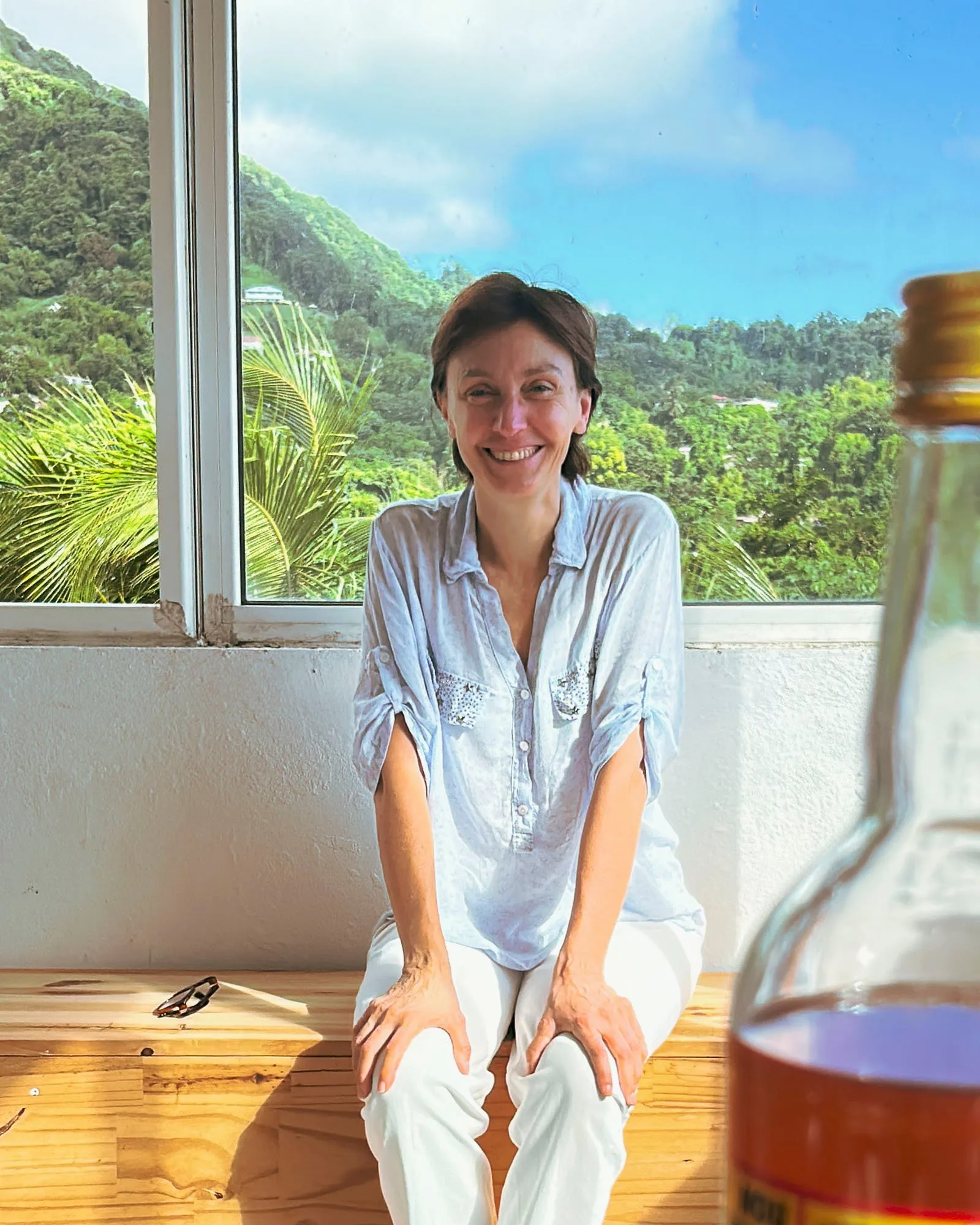
That’s how, almost on the spot, the idea of a cinematic writing residency was born.
A somewhat hybrid term, somewhere between video games and film, for those moments when play becomes narrative, when movement becomes intention, when we make scenes that aren’t yet works, but are already worlds.
And during this residency, we write.
Not only with words, but with bodies, images, fragments.
Every day, a scene.
Every day, an attempt.
Between work sessions, we travel across Martinique.
We discover, we exchange, we connect.
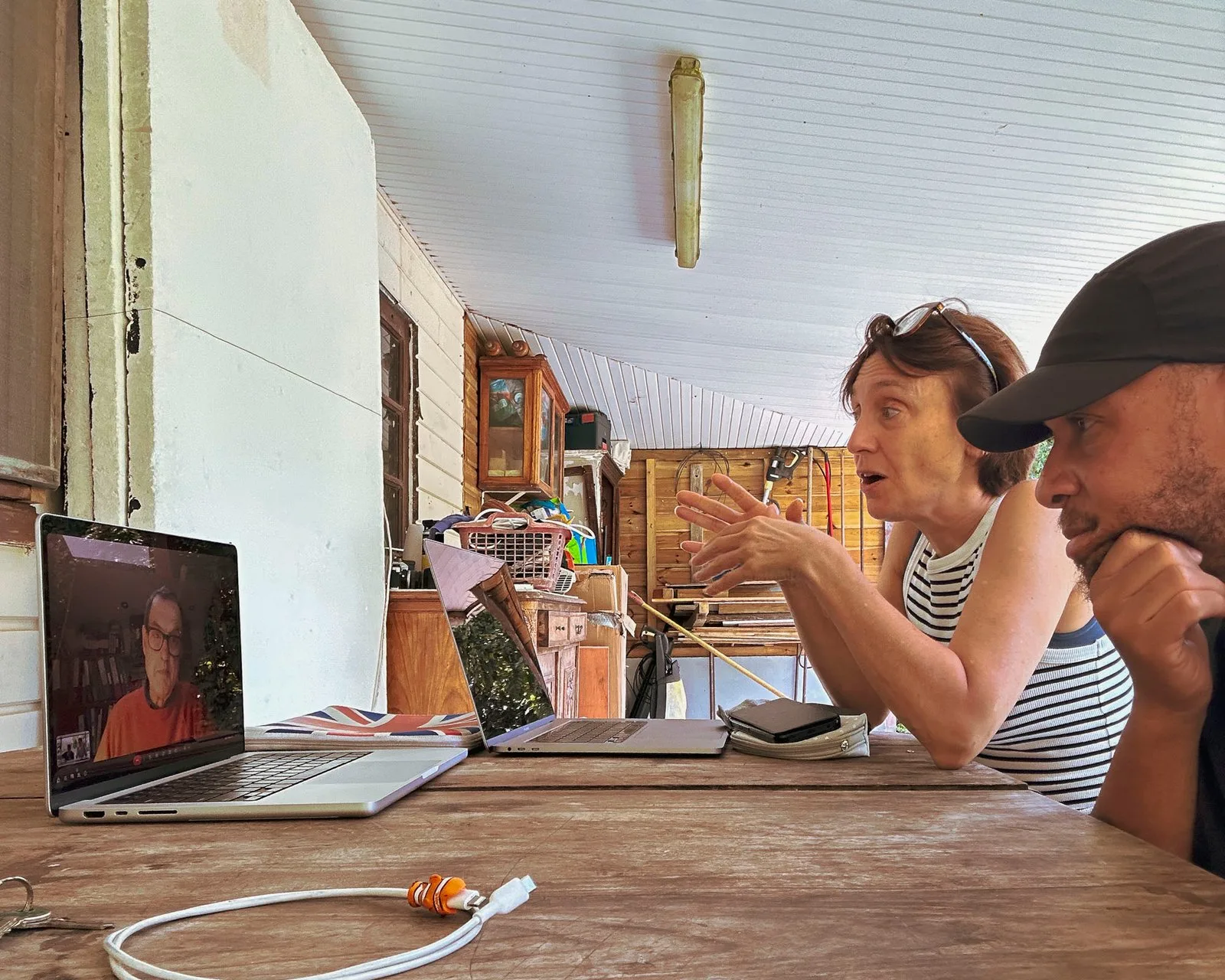
We stop at Tropiques Atrium, where meeting Corinne Balian opens up another space: that of passing things on. Presenting motion capture not as some distant technology, but as a living, accessible, considered practice.
Then there’s the Lycée Victor Anicet.
And that’s where something happens.
The presentation turns into something else.
It spills over.
The students recognise her, ask questions, light up.
Very quickly, it no longer looks like a standard school visit.
It looks almost like an improvised mini Comic Con.
Photos, conversations, shining eyes.
And above all, a realisation.
This audience is already here.
Gamers, viewers, animation fans, people deeply connected to contemporary forms of storytelling. And in front of them, someone who embodies those worlds in the flesh.
The connection is immediate.
And for me, it’s another discovery.
Another shift.
Understanding that these practices, sometimes seen as remote or specialised, are in fact already embraced, wanted, anticipated.
Silvia’s residency then confirms something very simple:
This tool — the residency — works.
Not only to produce.
But to enable.
Enabling a personal project to exist.
Enabling a territory to connect.
Enabling audiences to recognise themselves in contemporary practices.
And in all of this, there is also a kind of trust.
The trust it takes to come and work here.
On this territory so often called small.
Small in size, perhaps.
But not in its momentum.
Not in what plays out here.
I hope she’ll come back.
With Jérémie Sennelier this time.
And that these encounters will carry on.
With even more young people, even more exchanges, even more of that energy that flows when we learn together, without needless hierarchy, simply wanting to make things.